Field Notes
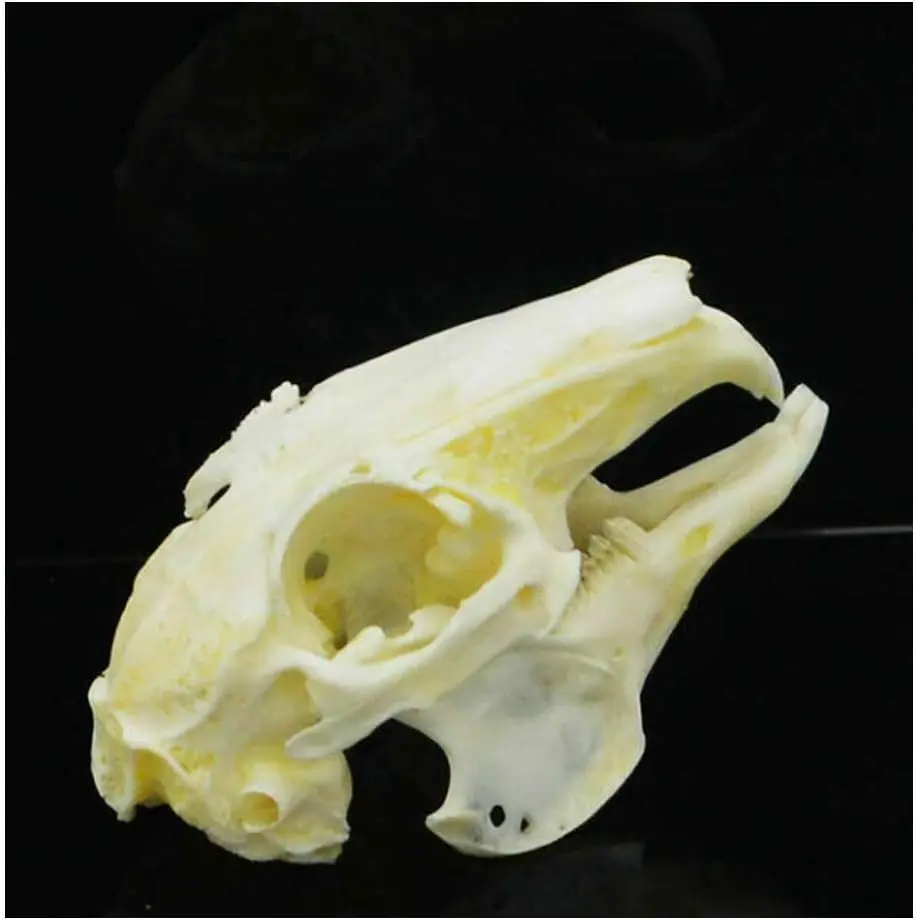
A single cottontail rabbit skull sold as a real animal bone specimen. Where a resin skull stands in for bone, this is the actual article, a small prey-skull with the long incisors and narrow cranium that make lagomorph skulls read instantly as a species apart from the carnivore pieces.
The listing doesn't specify exact dimensions, articulation state, or whether the jaw arrives fully intact, so treat those particulars as unconfirmed until the piece is in hand. A rabbit skull is also a gentle entry point into specimen collecting, small, unmenacing, and closer in mood to a found bird's nest than to a hunting trophy.
Where it lives
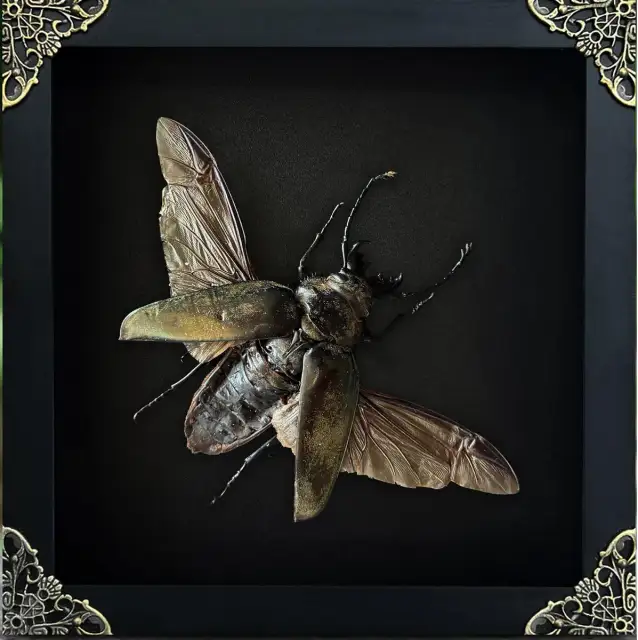
It belongs under glass. A small cloche or a shadow box keeps dust off the delicate nasal bones and turns it into a proper exhibit. Set it on a bed of dried moss or pink tissue for the soft-macabre register, beside a pressed flower frame and a chrome magnifier. A white or pale pink background shows the bone's texture; dark velvet makes it look ghostly. Group it with other small specimens, a beetle frame, a shed antler, to build a cabinet-of-curiosities shelf rather than a lone oddity.
Who it’s for
Right for natural-history collectors, artists who want an anatomical reference, and anyone starting a real-bone collection without committing to something large. It suits a curious older child under supervision. Pass if real animal remains make you uncomfortable, if you need guaranteed jaw articulation, or if you want something sturdy enough to handle often. Thin bone breaks easily.
Before you buy
What to confirm on the current listing before it goes in the cart.
- Confirm whether the lower jaw is included and attached, since the listing doesn't say.
- Check for dimensions in the listing or photos to plan a display case that fits.
- Handle by the thicker cranium, not the incisors or fragile nasal bones.
- Keep it dry and out of direct sun to avoid cracking or yellowing.